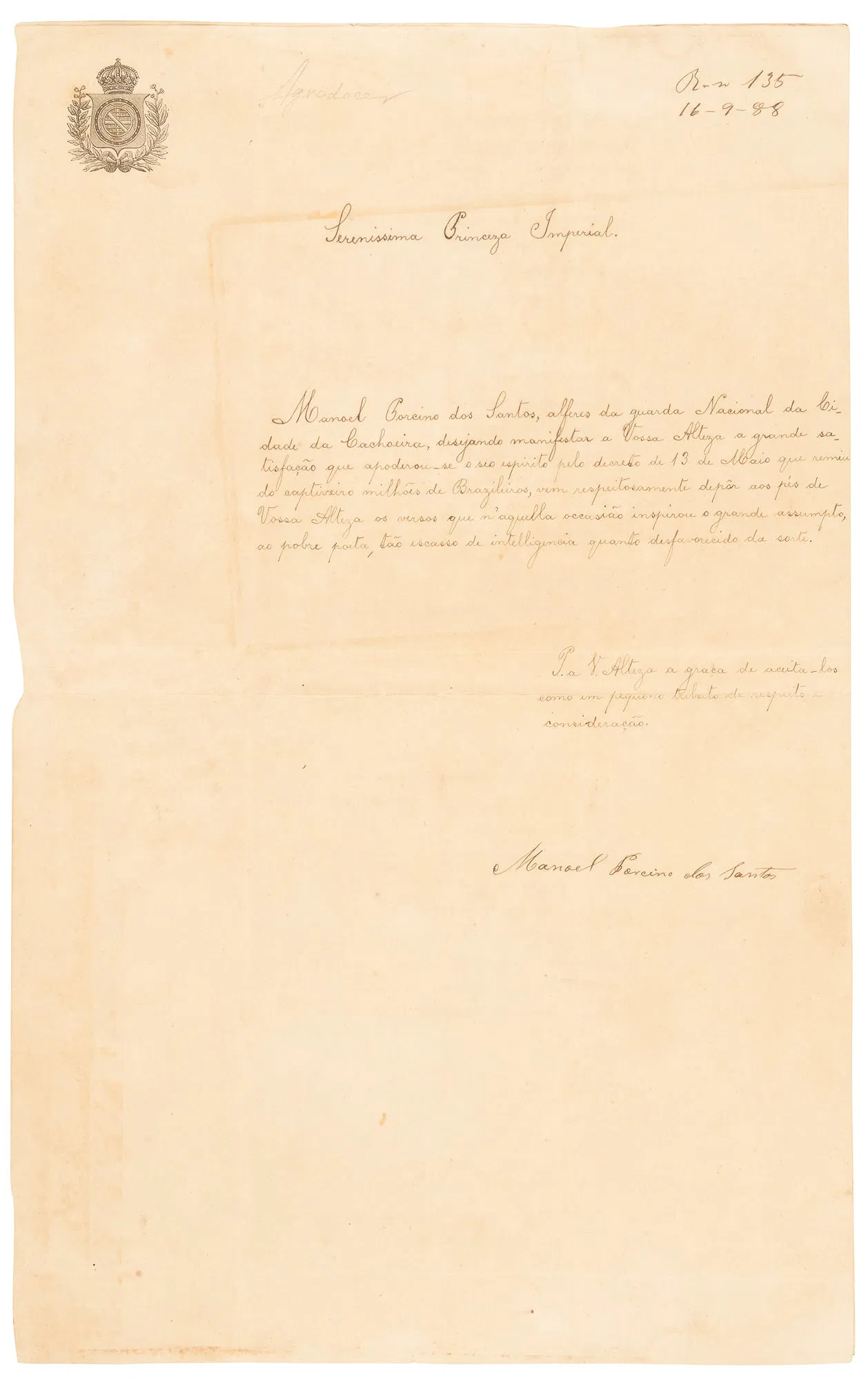
Preservation
Responsible stewardship is the foundation of our mission. Each object in the collection represents an irreplaceable piece of Brazil's historical record, and we are committed to ensuring its survival for future generations.
Our Philosophy
The artifacts, books, manuscripts, and coins in the Brazilian Heritage Collection survived centuries through a combination of fortunate circumstances, careful previous ownership, and historical accident. Many similar objects did not survive—lost to fire, flood, insect damage, war, or simple neglect.
We consider ourselves temporary custodians of these materials. Our responsibility is not merely to possess them, but to preserve them in stable condition, document them thoroughly, and make them accessible to researchers and the public, all while planning for their long-term future beyond any single owner's lifetime.
Private collections have historically played an essential role in preserving cultural heritage when public institutions lacked resources or interest. Today, the Brazilian Heritage Collection continues this tradition, applying museum-standard practices within a private stewardship framework.
Preservation Practices
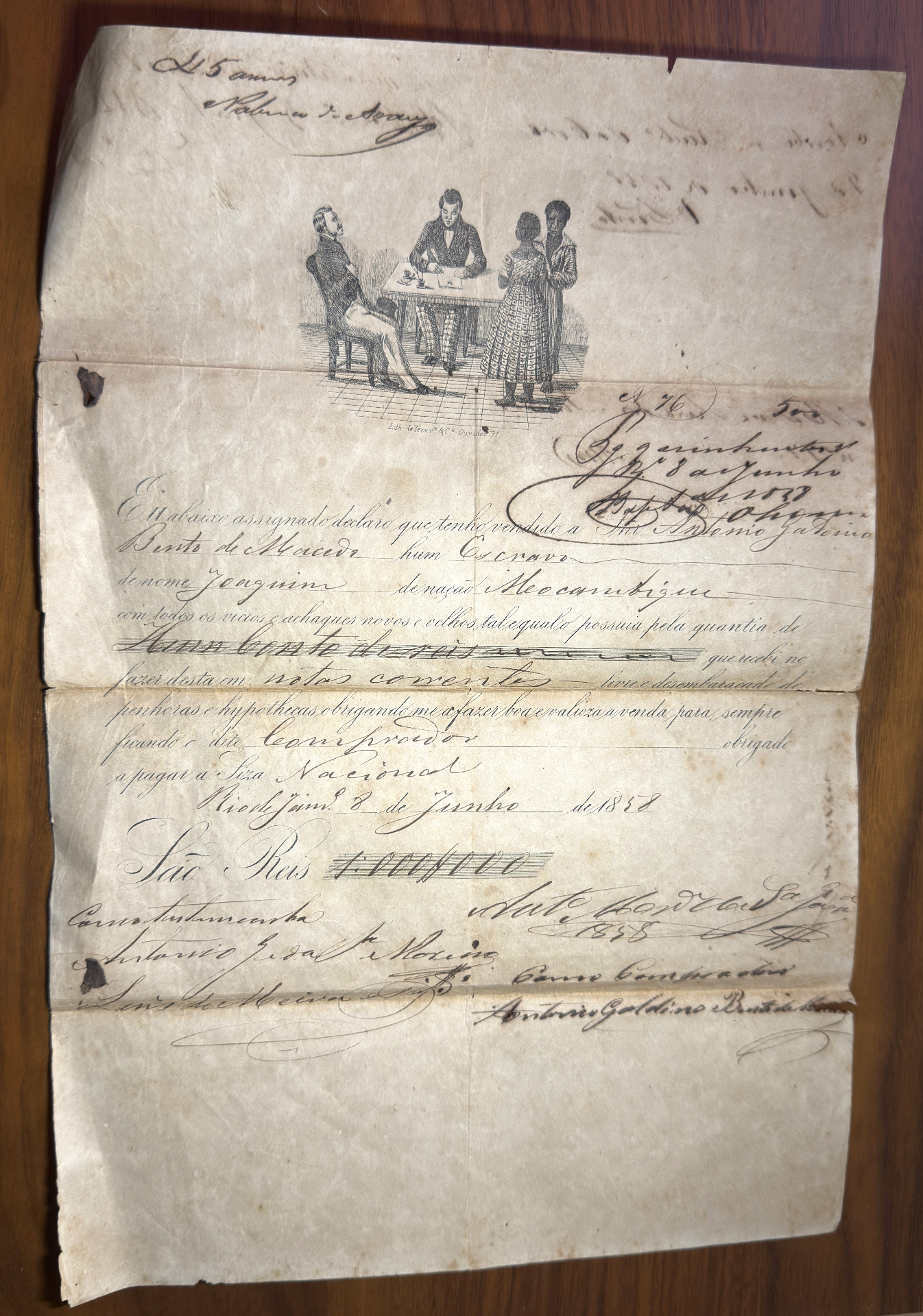
Climate-Controlled Storage
All items are housed in purpose-built storage maintaining consistent temperature (65-70°F) and relative humidity (45-55%), minimizing environmental stress that can cause deterioration over time.
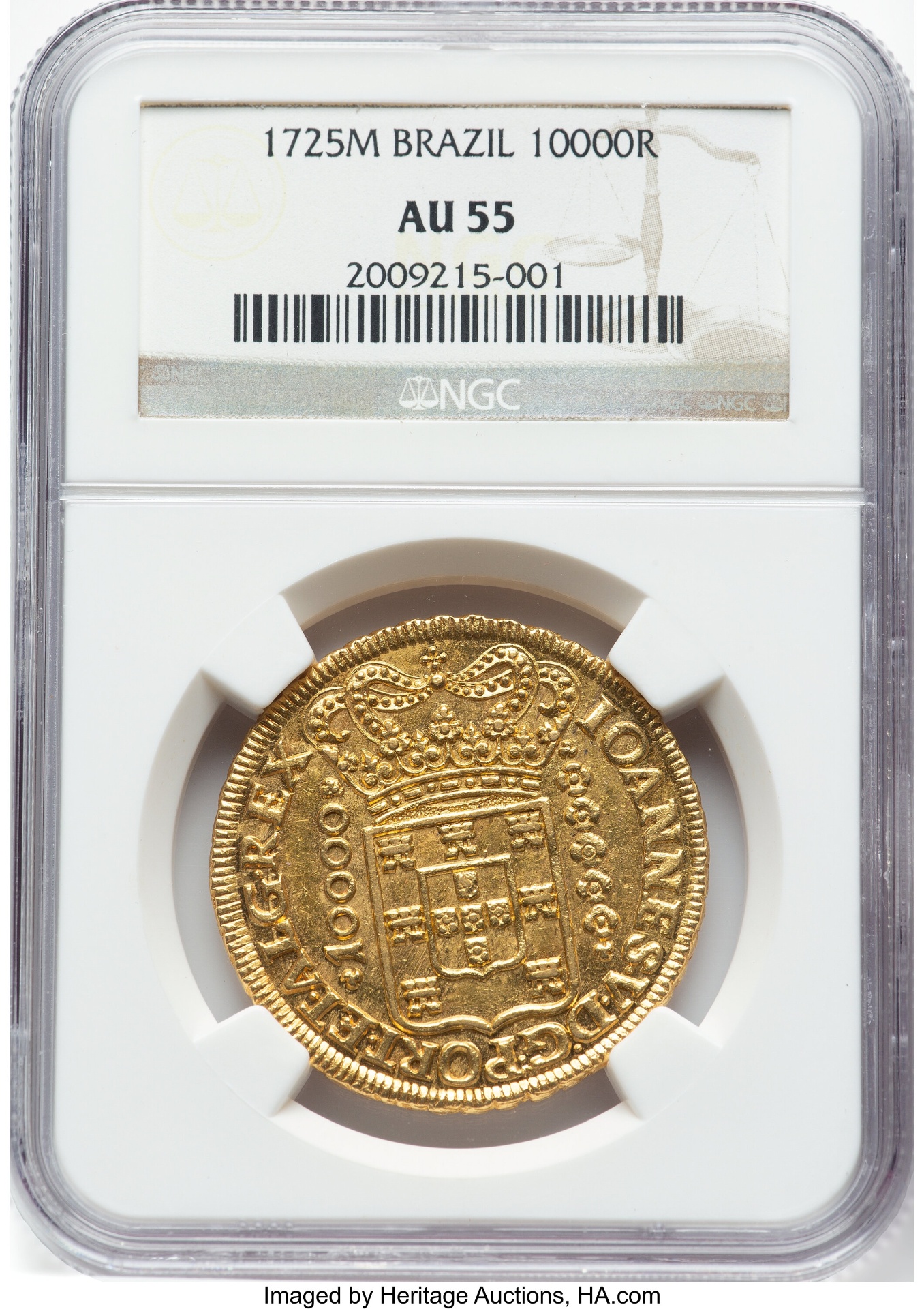
Archival Materials
We use only acid-free, lignin-free storage materials. Coins rest in inert holders; documents are housed in archival folders within custom boxes; artifacts are supported on padded mounts designed for each piece.
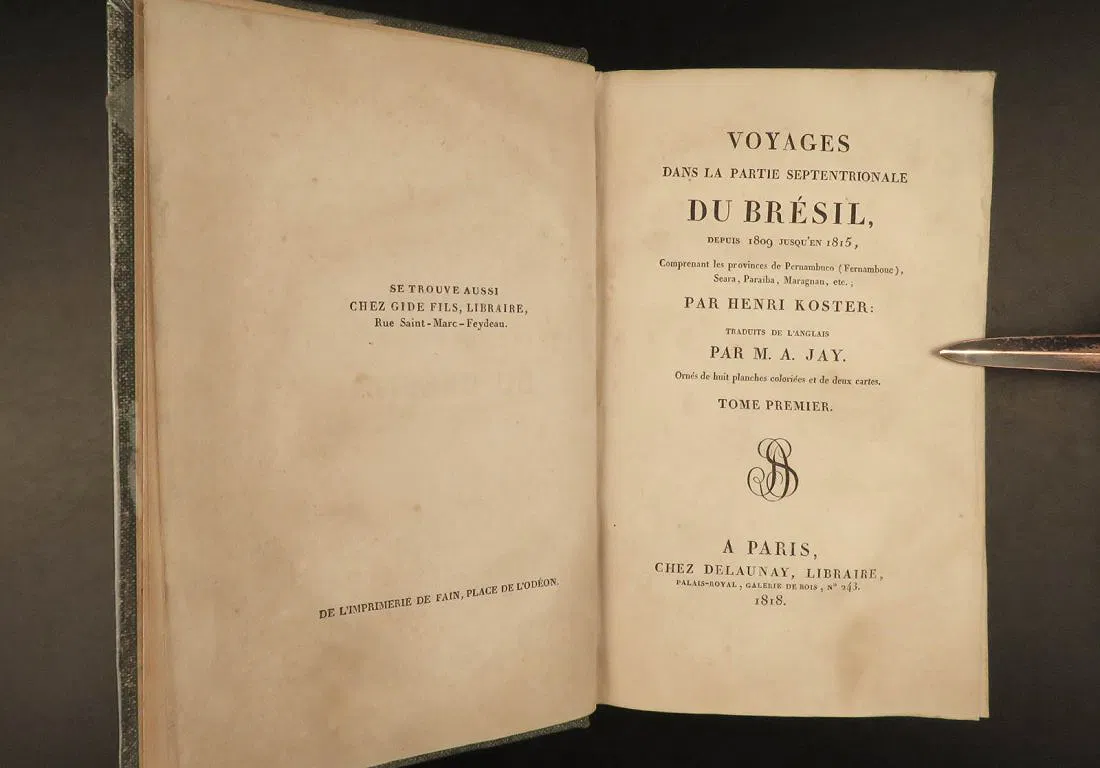
Documentation
Every item is photographed under controlled conditions and cataloged with comprehensive metadata. Physical condition reports are regularly updated, creating a baseline against which future assessments can be measured.
Conservation Standards
When conservation treatment is required, we engage only conservators who adhere to the ethical guidelines of the American Institute for Conservation. All interventions prioritize reversibility and minimal alteration.
Long-Term Planning
We recognize that responsible stewardship must extend beyond any individual's lifespan. The Brazilian Heritage Collection is developing contingency plans to ensure that, regardless of future circumstances, these materials will continue to be preserved and accessible.
Options under consideration include eventual gift or bequest to appropriate institutions in Brazil, the United States, or Portugal; the establishment of a dedicated foundation; or structured partnerships with existing museums or archives. We are committed to transparency in these discussions and welcome dialogue with institutional partners who share our values of preservation, scholarship, and public access.